Blog
Exchange rates significantly impact the value of international transfers from Thailand. Manage global economic factors to maximize your total payout today.
DeeMoney
•
Published
•
7 min read
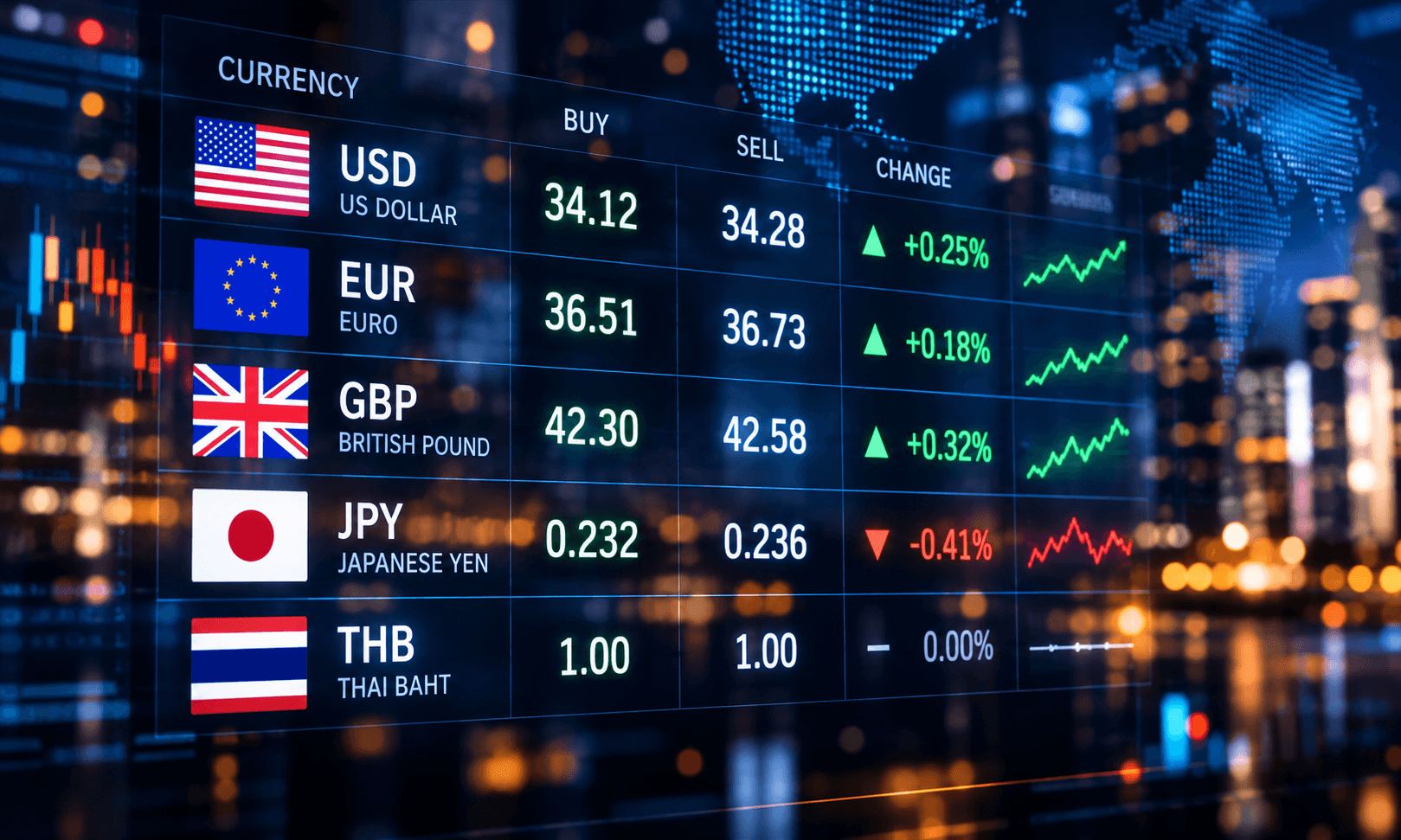
Exchange Rates in International Money Transfers from Thailand (2025 Guide)
Learn how exchange rates impact money transfers from Thailand, key economic factors, and strategies to maximize value when sending funds abroad.
The Role of Exchange Rates in International Money Transfers

In 2025, understanding exchange rates is essential for anyone sending money abroad. These rates determine how much your recipient receives in their currency, and even minor fluctuations can significantly impact the final amount, particularly for large transfers. For expatriates, businesses, and families supporting loved ones overseas, these changes affect financial planning and the value received. As global economies evolve and digital transactions increase, staying informed about exchange rate trends is crucial for maximizing the value of every baht sent from Thailand. For more information on how to send money efficiently, check out our money transfer services.
Global Economic Factors Influencing Exchange Rates in 2025

Several global economic factors influence exchange rates:
Inflation rates in major economies affect currency values, with lower inflation often leading to stronger currencies.
Central bank interest rate policies impact currency movements, as higher rates tend to attract foreign investment and strengthen a currency.
Changes in trade patterns due to supply chain shifts alter currency relationships.
Geopolitical tensions in key regions increase currency market volatility.
Energy price fluctuations significantly affect the currencies of importing and exporting countries.
Differences in post-pandemic economic recovery among countries create new exchange rate dynamics.
The adoption of digital currencies is beginning to influence traditional forex markets.
Understanding these factors can help you make informed decisions when using our currency exchange services.
Thailand’s Economic Landscape and the Thai Baht
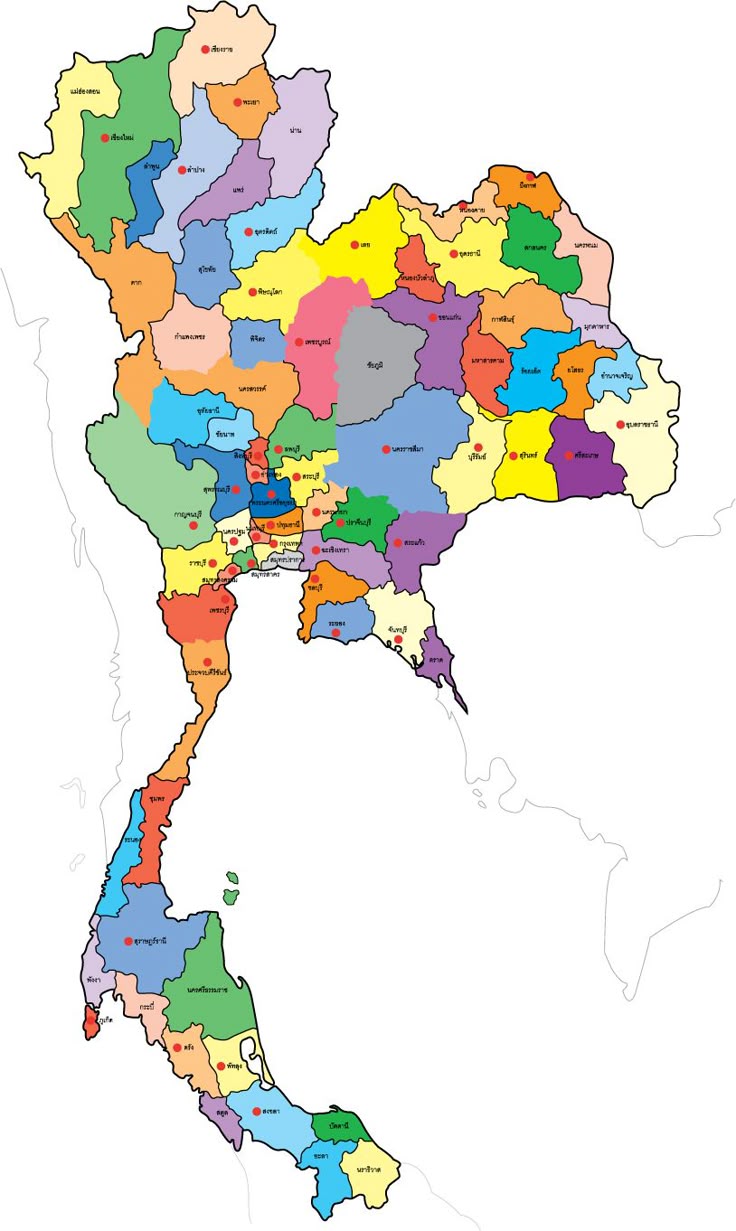
Thailand’s economy and the Thai Baht are influenced by several factors:
Export performance in electronics, automotive, and agriculture sectors affects the Baht’s strength.
Tourism recovery brings foreign currency, supporting the Baht during peak travel times.
Foreign direct investment impacts long-term Baht stability and growth.
Thailand’s current account balance influences the currency, with surpluses often strengthening the Baht.
The Bank of Thailand’s interest rate decisions can quickly affect the currency market.
Trade agreements within ASEAN and with other partners impact Thailand’s economy and currency.
Public debt and government spending influence investor confidence in the Thai economy and its currency.
For businesses looking to navigate these dynamics, our DeeBusiness platform offers tailored solutions for money transfers.
ASEAN Regional Trends and Cross-Border Currency Dynamics
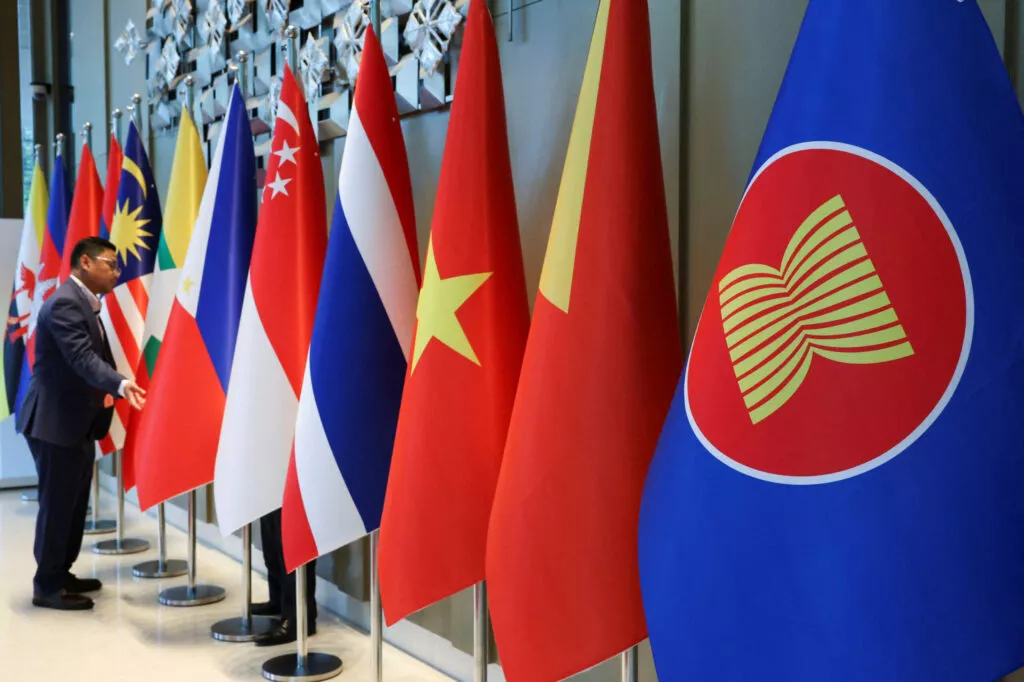
In 2025, ASEAN’s economic integration is reshaping currency relationships, with Thailand at the center. As trade agreements expand, Southeast Asian currencies become more interconnected, meaning changes in one economy affect others. Increased intra-ASEAN trade reduces reliance on external markets and shields against global currency swings. Digital payment systems between Thailand and neighboring countries facilitate easier and cheaper cross-border transactions. This regional unity means events in Vietnam, Indonesia, or Singapore now quickly affect the Thai Baht, so staying informed about regional and global news is essential for those sending money. Explore our partners page to learn about collaboration opportunities in this evolving landscape.
How Small Exchange Rate Changes Impact International Transfers
Even minor changes in exchange rates can significantly impact international money transfers in 2025. A 1% shift can reduce a 100,000 THB transfer by 1,000 THB, enough to cover a family’s weekly groceries in many places. For businesses making larger transfers, these changes can affect profit margins and costs. Regular transfers can lead to bigger losses over time if rates are not monitored. Exchange rate fluctuations can also impact transfer fees and bank charges, altering the final amount your recipient receives. To better manage your transfers, consider using our DeeLight app for timely updates.
The Importance of Timing in Money Transfers
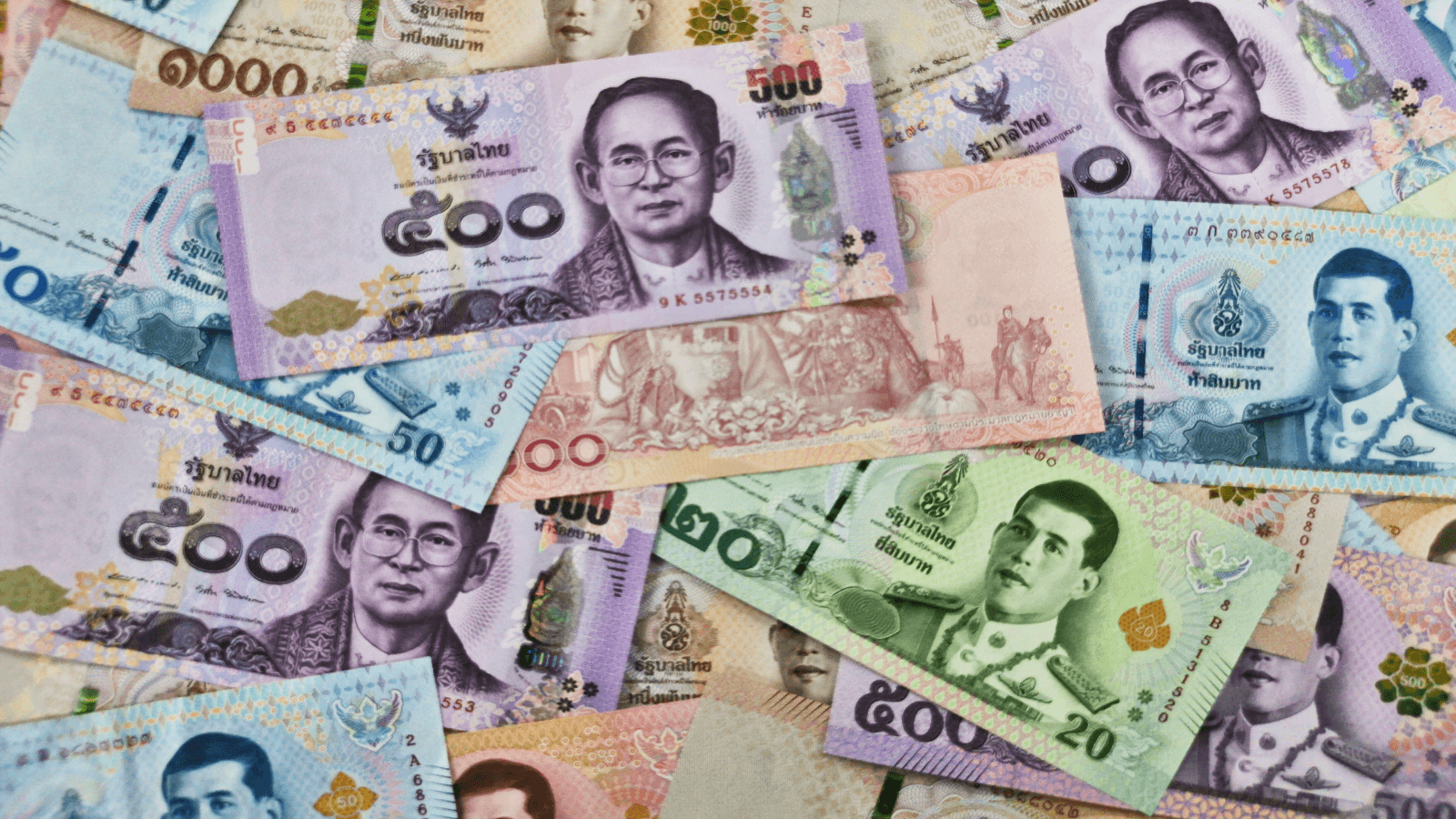
Timing plays a crucial role in maximizing the value of international money transfers:
Even small rate changes of 0.5-1% can mean hundreds or thousands of baht more on large transfers.
Set goals with specific rate targets to optimize value (e.g., wait for the Thai Baht to strengthen against another currency).
Avoid sending money during periods of high market volatility to protect against unfavorable rates.
Sign up for rate alerts to identify the best times to transfer.
Learn currency pair patterns to plan transfers during favorable times.
Balance urgency with rate goals—waiting a few days might lead to better results.
For more insights on optimizing your transfers, visit our money transfer services.
Seasonal Events and Their Influence on Exchange Rates
Currency markets often follow seasonal patterns that savvy money senders can leverage. During Thailand’s high tourism season (November-February), the Baht usually strengthens as visitors exchange foreign currencies. During Songkran in April, increased outbound travel may temporarily weaken the Baht. Year-end holidays see more remittance activity worldwide, creating volatility. Chinese New Year affects regional Asian currencies as businesses settle accounts before celebrations. Agricultural harvest seasons impact rural economies’ currency needs. Global fiscal year-ends (September/March) can lead to institutional rebalancing. Understanding these patterns helps you avoid sending money during unfavorable times and take advantage of predictable currency movements for better rates.
Technology’s Role in Exchange Rate Monitoring

In 2025, technology will revolutionize how we track exchange rates. Mobile apps provide real-time rate updates and use data to help users make informed decisions. AI tools analyze past trends and market indicators to advise on optimal transfer times. Blockchain platforms offer transparent rate tracking across different paths. These tools integrate with financial apps to set rate goals and send alerts. Open banking allows users to compare service providers instantly. These advances give everyone clear insights into currency changes, leveling the playing field. Now, anyone sending money from Thailand can monitor the markets like a pro. For a seamless experience, consider using our DeeLight app.
Strategies for Managing Transfers in 2025
Check exchange rates daily with apps that alert you when rates hit your target.
Plan transfers weeks ahead to avoid making rushed decisions when the market is unfavorable.
Break up large transfers into smaller ones over time to balance out rate changes.
Use forward contracts to secure current rates for future transfers.
Set up automatic transfers when rates reach set levels.
Use different currencies for transfers to countries that accept more than one currency.
Stay informed about news that could affect the Thai Baht.
Choose mid-week for transfers, as rates are often better than on weekends.
Secure and Regulated Transfer Channels
When sending money from Thailand, prioritize secure and regulated channels to protect your funds. Choose licensed money transfer operators that comply with Thailand’s anti-money laundering regulations. Look for services with end-to-end encryption and transparent fees with no hidden costs. Ensure your chosen service complies with regulations and offers transaction tracking. Avoid informal methods that may seem cheaper but carry high risks. Legitimate providers will verify your identity—this is a security measure, not a hassle. By prioritizing security, you ensure your money reaches its destination safely and legally. For secure transactions, trust our money transfer services.
Benefits of Staying Informed About Exchange Rate Trends
Knowing exchange rates can boost your transfer value by 3-5% each year.
Monitoring trends helps you find the best times to transfer money and avoid unfavorable rates.
Understanding economic indicators allows you to predict market changes before they affect rates.
Regular checks help you spot patterns in your currency pair.
Rate alerts from trusted platforms save you from constant monitoring.
Being informed helps you remain calm during short-term market fluctuations.
Knowing seasonal patterns aids in planning for regular transfers.
Understanding what influences rates helps you distinguish between short-term changes and long-term trends.
Conclusion: Maximizing Your Transfer Value
Knowledge is key when handling international money transfers in 2025. By understanding exchange rates, monitoring economic indicators, and timing your transfers well, you can maximize the amount your recipients receive. The financial world is changing rapidly, making informed choices more important than ever. Whether you’re supporting family, paying for education, or managing business transactions, the strategies outlined here will help you navigate currency changes confidently. Even small gains in exchange rates can lead to significant savings over time. With careful planning and the right tools, you can make exchange rates work in your favor. For assistance with your international transfers, visit DeeMoney today.