Blog
Electronic funds transfer has modernized money movement, providing a fast, secure, and largely paperless method for global and daily transactions.
DeeMoney
•
Published
•
6 min read

The Complete Guide to Electronic Funds Transfer (EFT) in 2025
Learn how electronic funds transfer works, its benefits, security features, and best practices for safe digital money movement in today’s financial landscape.
The Evolution of Money Transfers: From Traditional to Electronic

Over the years, money transfers have undergone a significant transformation. Traditionally, people had to visit banks, fill out paperwork, and endure lengthy waiting periods to move money. Today, digital methods have streamlined this process, making it quick and easy. By 2025, using cash or checks for large transactions will be largely obsolete. This shift began with basic electronic systems and rapidly expanded with advancements in digital tools, enhanced security, and global connectivity. Electronic Funds Transfer (EFT) has become the primary method for moving money, allowing instant transfers across countries and currencies. This digital evolution has revolutionized how individuals and businesses manage money worldwide, including services offered by DeeMoney.
Understanding Electronic Funds Transfer (EFT)

Electronic Funds Transfer (EFT) refers to the digital movement of money between accounts without the need for cash or checks. It facilitates the transfer of funds through secure banking networks, ensuring fast and efficient transactions. In 2025, EFT forms the backbone of most financial transactions, from grocery shopping to international money transfers. Whether paying bills online, receiving a salary, or sending money to family abroad, EFT operates seamlessly in the background. This digital method has transformed financial services by enabling quick cross-border transfers with enhanced security and reduced costs compared to traditional methods, similar to the offerings on our Partners page.
Major Types of Electronic Funds Transfers
Electronic funds transfers encompass various forms, each catering to specific financial needs:
Direct Deposit: Transfers salaries, tax refunds, and benefits directly to bank accounts.
Direct Debit: Automatically withdraws recurring bills like utilities and subscriptions.
Wire Transfers: Facilitates rapid movement of high-value funds, often for international or urgent payments, much like our DeeBusiness service.
Card Transactions: Includes everyday debit and credit card payments in stores and online.
ATM Transactions: Covers cash withdrawals, deposits, and account inquiries at machines.
ACH Transfers: Processes batch transfers through the Automated Clearing House network.
E-Wallet/Mobile Transfers: Utilizes digital wallets on smartphones for quick payments, similar to the DeeMoney app.
Advantages of Electronic Funds Transfer
EFTs offer distinct advantages over traditional methods. They are fast, completing transactions in minutes or days instead of weeks. EFTs enable seamless cross-border money movement, connecting global financial systems. Users can track transfers in real-time, eliminating uncertainty about payment status. By removing paper processing and manual handling, EFTs reduce costs and ensure accuracy, minimizing human error. These benefits make EFT a reliable and efficient choice for modern financial transactions, as highlighted in our Money Exchange services.
EFT in Daily Life
Electronic funds transfers are integral to our daily financial routines. They enable easy bill payments, online shopping, and international money transfers. Salaries can be directly deposited into bank accounts, eliminating the wait for checks.
For businesses, EFTs simplify operations by automating payroll, paying suppliers, and collecting customer payments. Companies can establish regular payments, better manage cash flow, and reduce paperwork. Services like DeeBusinessare designed to enhance these operations.
EFT technology has transformed money management, making transactions faster, simpler, and largely paperless.
The EFT Implementation Process

The process of electronic funds transfer (EFT) is transparent and secure. Initially, the sender provides the necessary account details and authorization. The system verifies this information using secure methods. Once confirmed, the transaction enters the processing phase. Banking networks transfer the funds through encrypted channels, adhering to standard protocols to ensure accuracy. The transaction concludes with the recipient’s account credited and the sender’s account debited. Both parties receive confirmation with transaction details and reference numbers. Depending on the EFT type and banks involved, this process can take from a few seconds to a few business days, similar to the services offered on our Partners page.
Security Features Protecting EFT Users
EFT systems employ multiple security measures to safeguard users’ financial data and transactions. Modern EFT systems use end-to-end encryption to protect data during transmission. Multi-factor authentication verifies user identity through several steps. Fraud monitoring systems detect suspicious activities in real-time. Tokenization replaces sensitive account details with unique identifiers for added security. EFT providers adhere to strict financial regulations and security standards, requiring regular security audits and updates. These measures ensure that electronic transfers remain one of the safest ways to move money today, as emphasized in our DeeLight service.
Common Risks and How to Avoid Them
EFT users should be aware of potential risks. A common mistake is entering incorrect account details, which can result in funds being sent to the wrong recipient with little chance of recovery. Users may also encounter phishing scams that mimic legitimate banking websites or messages to steal login credentials. Some individuals use unreliable or unregulated transfer services to save money, risking fraud. Other risks include using unsecured networks for financial transactions and failing to regularly check accounts for unauthorized activity. Awareness and preventive measures can significantly reduce the risk of financial loss.
Best Practices for Safe EFT Use
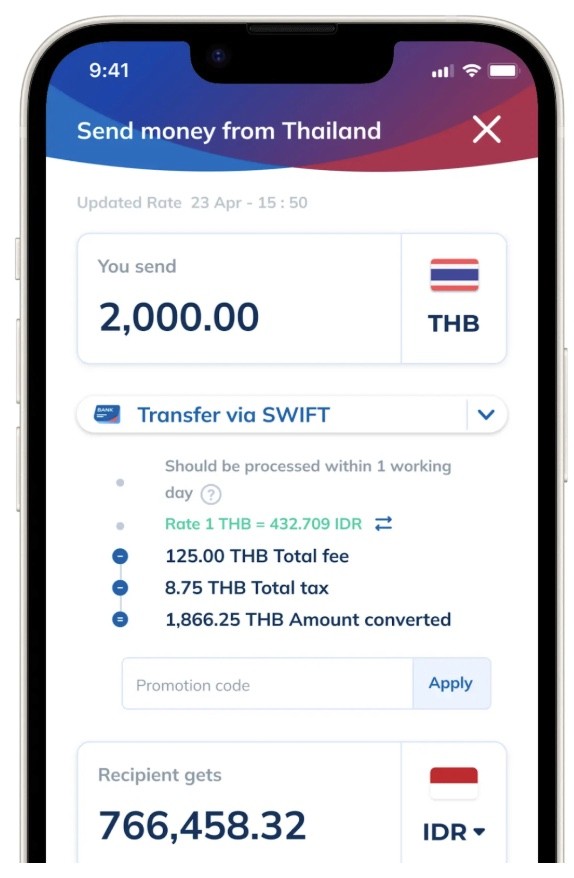
To ensure safe electronic fund transfers, monitor exchange rates when sending money abroad to secure the best deal. Double-check all payment details, such as account numbers and recipient information, before confirming any transfer. Plan transfers ahead to avoid rush fees and allow processing time. Use only regulated services with transparent fees and robust security, like those offered by DeeMoney. Enable transaction alerts to track transfers in real-time. Create strong, unique passwords for all financial accounts and update them regularly. Keep devices updated with the latest security patches. Finally, promptly review statements to identify and report any unauthorized transactions.
Conclusion: The Core of Today’s Financial Transactions

Electronic Funds Transfer (EFT) has fundamentally changed how we move money in our digital age. EFT systems are essential for everything from daily shopping to international money transfers. They are fast, secure, and efficient, making paper transactions increasingly rare. By understanding different EFT types, their operation, and security tips, you can navigate today’s financial landscape with confidence. With services like DeeMoney, you can transfer funds securely and swiftly from Thailand to other countries, enjoying competitive rates, transparent fees, and reliable service for your convenience. For more information on our offerings, visit our Money Exchange and Business pages.